The Struggle of Spot-Hunting
One of the first questions nearly every new plant parent asks is: “Where should I leave my newly purchased plant?” You’ve picked a gorgeous pot, maybe even given it a name—but now comes the bigger decision: where it will actually live.
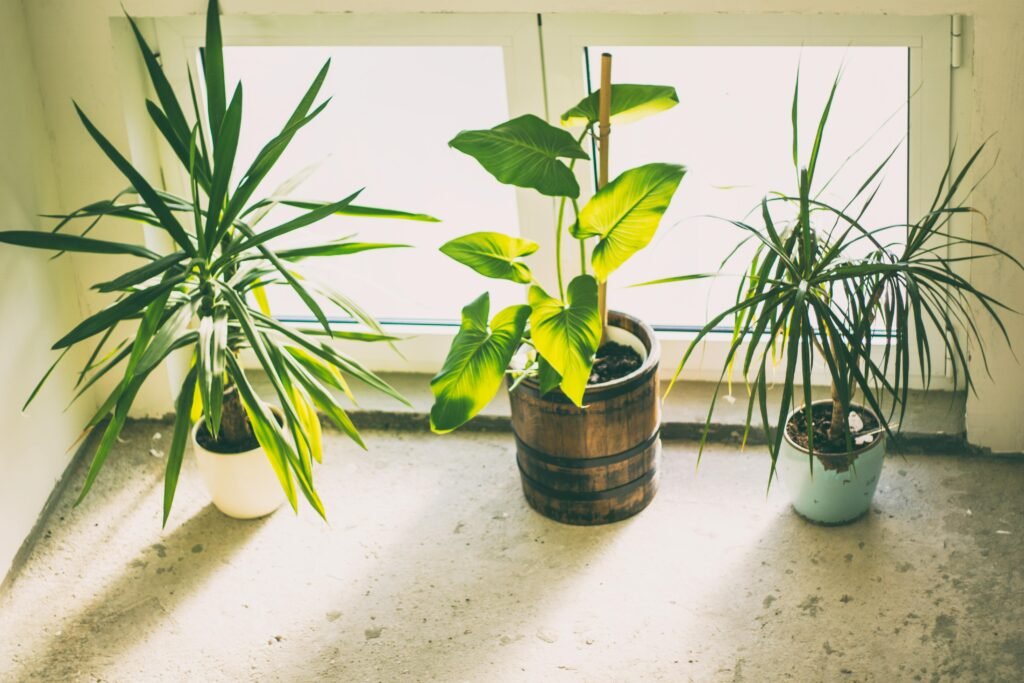
Unlike outdoor gardens where the sun and wind spread evenly, indoor spaces are full of dead zones. A plant on the windowsill may thrive, while the same plant three steps away could struggle.
Choosing the right spot isn’t guesswork. It’s a delicate balance of understanding your plant’s needs and matching them to your home’s conditions. Let’s walk through how to find the perfect indoor home for your green companion.
Step 1: Know Your Plant’s Sunlight Needs
Light is the lifeblood of plants, and indoors it becomes the most limiting factor. The first thing you need to ask is: How many hours of light does my plant need daily?
Light indoors are treated as indirect light. Thus, they require much longer hours of light than outdoor plants.
- Low-Light Plants (2–4 hours indirect light): Most houseplants like Pothos and Snake Plants.
- Medium-Light Plants (4–6 hours indirect light): Leafy Greens like Lettuces and Kale, and some herbs like chives and Mint.
- High-Light Plants (>6 hours indirect light): Fruiting crops such as tomatoes and other herbs like rosemary and thyme.
Quick Tip: Always check the plant label or care card that comes with your purchase of seeds or plants, it often includes recommended light hours.
Step 2: Finding Possible Spots Indoors
Walk around your home at different times of day to see where natural light falls. Some areas to consider include:
- Near Windows and Doors: Great for most plants but be mindful of light intensity and temperature fluctuations.
- Balcony Corners: If sheltered, these spaces can provide generous indirect light.
- Hallways or Living Rooms: Great for low-light plants, especially if natural light is limited.
Pro tip: Be ready to rotate plants every few weeks. Light directions shift throughout the year, especially with seasonal changes. Rotating also prevents lopsided growth where one side of the plant leans towards the light.
Step 3: Gauge Light Intensity
Sometimes our eyes deceive us. A room may look bright, but for plants, the usable light might be too weak. That’s where simple tools come in:
- Phone Light Apps: Use Luxmeter Pro (IOS/Android) will measure the lux value at the designated location. Place your phone on the location where you want your plant to be and record the value shown.
General Lux Guide:
- Low-light plants: <15,000 lux
- Medium-light plants: 15,000 – 25,000 lux
- High-light plants: >25,000+ lux
Step 4: Other Considerations Beyond Light
Light is a key factor, but it’s not the only one that determines success when planting indoors. Before finalising your plant’s new spot, think about:
- Airflow
Plants benefit from gentle circulation. Stale air encourages fungal infection, while constant strong drafts from fans or aircon may dry them out. - Heat Stress
Sun shining through a window can dramatically raise temperatures. Watch for wilting or scorched leaves. - Accessibility
Can you reach the plant to water or fertilise without knocking it over? Is it safe from pets or children toppling it? - Humidity
Tropical plants love higher humidity—placing them in kitchens or bathrooms (with windows) often works wonders.
Step 5: Test and Adjust
Even after picking the “perfect spot,” don’t be surprised if your plant asks you to rethink. Plants give subtle feedback:
- Too Little Light: Slow growth, pale leaves, and elongation towards source of light.
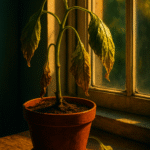
- Signs of Too Much Light/Heat: Scorched, crispy, or drooping leaves.
Instead of locking into one location, prepare a few backup spots in your home. Consequently, just shifting a plant a metre closer to a window, or shielding it with a curtain can mean the difference between thriving and dying.
Conclusion: A Plant’s Perfect Home Starts With Planning
Setting up an indoor garden isn’t about buying plants and leaving them wherever there’s space. Instead, it’s about matching your plant’s needs with your home environment and being willing to experiment until you find the sweet spot.
With a little observation, adjustment, and patience, your indoor plants will reward you with lush growth and a calming presence.
Finally, needing more support in deciding the best positions for several plants indoors? Get the complete guide to setting up your indoor garden here.