Why Do Indoor Plants Get Pests?
You grow your edible plants indoors to shelter them from outdoor threats, such as pesky bugs and animals and harsh weather.
You still find bugs like flies, mites, or aphids around your plants. You wonder: how do these pests get in, and what can you to stop them?
Despite being indoors, edible plants can attract pests to them. This is because edible plants serve as food sources to them!
How Pests Enter Your Apartment
The main ways pests enter your home include:

- On clothes, shoes, and bags: Pests or their eggs can hitch a ride indoors after you’ve been outside.

- Through new plants: Bringing in plants from nurseries or the outdoors can introduce hidden pests.

- Via open doors or windows: Especially if you have outdoor plants/trees right outside your doors and windows, pests can fly or crawl inside.
Is it possible to stay completely pest free? Thats unlikely, as pests can also enter small crevices and holes over time, attracted to the plants you are growing!
Identifying Common Indoor Plant Pests
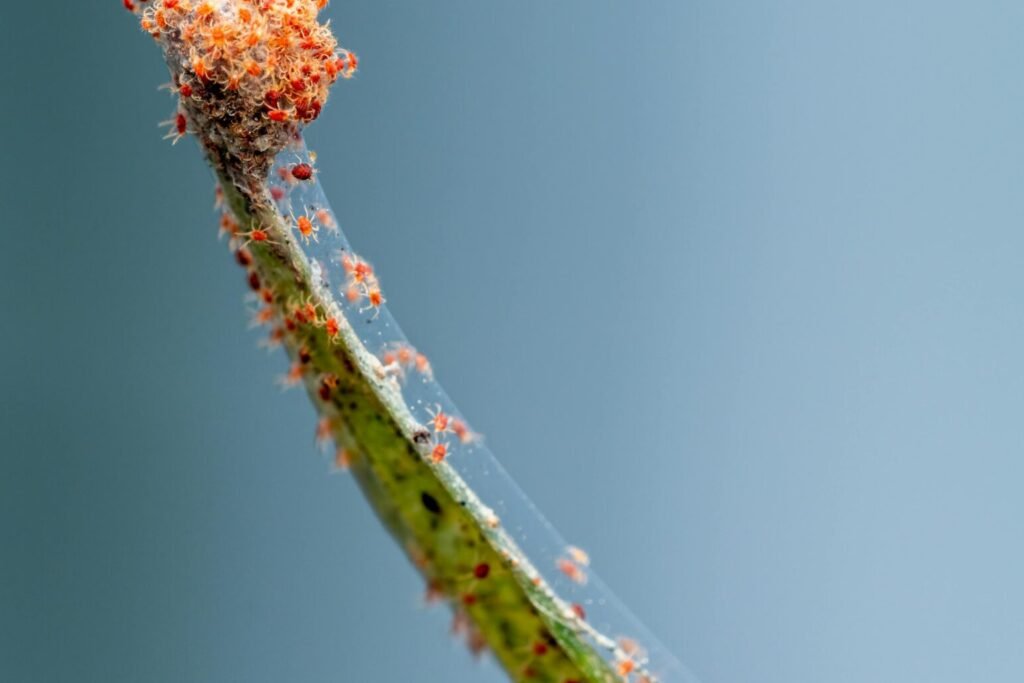
To manage pests effectively, you need to identify them early, before you meet any heavy infestation of any kind. Look out for:
- Stippling or bite marks on leaves
- Pest sheddings, larvae, or eggs on the underside of leaves
- Glue traps to monitor flying insects
Common indoor pests include fungus gnats, spider mites, aphids, and whiteflies. These pests feed on plant matter and must be managed effectively for the health and survival of your plants.
Where Do Pests Hide Indoors?
Pests are often hard to spot because they hide in:
- Eggs on leaf undersides
- Larvae in soil and root zones
- Soil-less media (like coco-coir or hydroponic plugs), especially if algae is present
Best Practices to Prevent Indoor Plant Pests
We mentioned that its difficult to stay pest-free. Then what can we do?
We promote focusing on prevention rather than eradication. This is because certain methods to eradicate pests disturbs plants as well. Ensuring your space is well managed to the key to avoid future complications. Try the following best practices and let us know if it works for you:
- Quarantine new plants: Keep new arrivals separate from the rest for at least a week to monitor for pests. We advice leaving them outside and away from your collection!
- Inspect regularly: Check leaves and stems for bite marks, eggs, or larvae. Remove any infested parts of the plants early to prevent spread.
- Use pest traps: Place glue traps near plants to identify plying insects.
- Maintain cleanliness: Harvest regularly, remove dead plant material, and clean pots and equipment. This removes plant debris that serves as food sources and avenues for breeding.
- Use Hydroponics: Hydroponics use water as the main source of medium, making it easier to clean and attracts less pests.
Concluding Remarks
It is difficult to completely eradicate all forms of pest. However, keeping them in check is possible, especially in an indoor sheltered environment. Preventing infestations and spread is the key, and that can be done easily with good knowledge of pest behaviours and enforcing good practices.
Facing any specific constraints which makes it difficult to enforce good practices? Let us know!