Indoor Vertical Gardens: Practical Modern Advantage
Modern indoor vertical gardens make the most of limited space, add visual appeal, and can seamlessly blend into your home’s interior design.
With thoughtful planning, vertical gardens help you capture more sunlight with less space, maximise your planting area, and create a stylish living feature that’s both functional and elegant.
Why Vertical Gardens Work Indoors
Vertical gardens are a simple way to make use of available space for planting within homes and apartments.
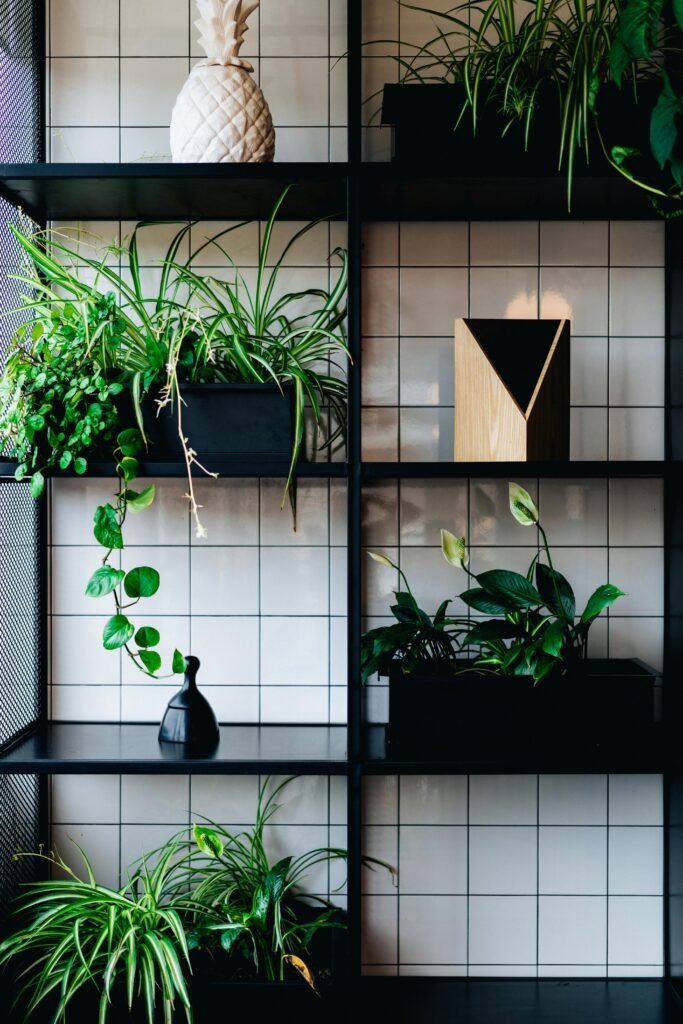
To get started, you can make use of existing shelves and racks. Using empty walls and attaching hanging systems is also another space-efficient method, allowing you to hand planters overhead while beautifying your wall space. Using racks with adjustable heights also allows you to comfortably reach for planting, watering, and harvesting.
If you need design inspiration, check out our Pinterest boards with vertical garden setups.
Setting Up Your Vertical Garden
When planning your setup, keep these points in mind for practicality and ease of use:
- Position Carefully: Place your vertical garden where you can easily plant, water, and harvest. Avoid hard-to-reach or inconvenient locations.
- Lighting Matters: If you don’t use supplementary lights, choose a spot with enough natural sunlight for most of the day.
- Ventilation: In hot environments, set up near windows to benefit from natural breezes that help keep plants cool.
- Easy to Clean: Opt for lightweight and simple shelving units you can remove or wipe down easily. This makes regular tidying quick and straightforward.
5 Modern Ideas for Your Home Vertical Garden
Use Balcony Spaces
Balconies are often under-utilised. Setting up your garden here increases sunlight exposure and keeps pests outside the house.
Go Multi-Tiered with Wheels
Multi-tiered shelves with wheels let you move your garden to adjust for changing weather (strong wind, rain). Being multi-tiered allows you to sort plants by their watering needs: frequent watering on one tier, low-maintenance plants on another. Doing so saves up plenty of time and effort while you maintain your plants.
Avoid Enclosed Glass Cabinets
While glass cabinets can look stylish, they can trap excess humidity, which leads to wilting and fungal growth. Allow fresh air circulation to your vertical gardens by positioning them near open windows. During hot days, you can also use household fans to improve airflow to your indoor gardens.
Supplement with LED Lighting
If sunlight is inconsistent, especially on lower tiers, use LED grow lights to give plants the light they need. Doing so ensures ideal growth even during cloudy days or in shaded corners.
Try Simple Hydroponics
Grow simple herbs in jars or containers filled with water using the Kratky method for easy planting and harvesting. Remember, not all crops thrive hydroponics, choose what suits you best. Before embarking on hydroponics, carefully assess your suitability first.
Elevate Healthy Living with Vertical Gardens
Grow your favourite, frequently used herbs like spring onions, basil, and parsley. A well-planned vertical garden keeps healthy, fresh ingredients within arm’s reach and doubles as a unique piece of living decor for your home.
Whether it’s for better health, convenience, or simply to bring nature closer, indoor vertical gardens offer a practical, aesthetic, and modern way to enjoy edible gardening, even in the smallest apartments.