Best Intentions, Not The Best Outcomes
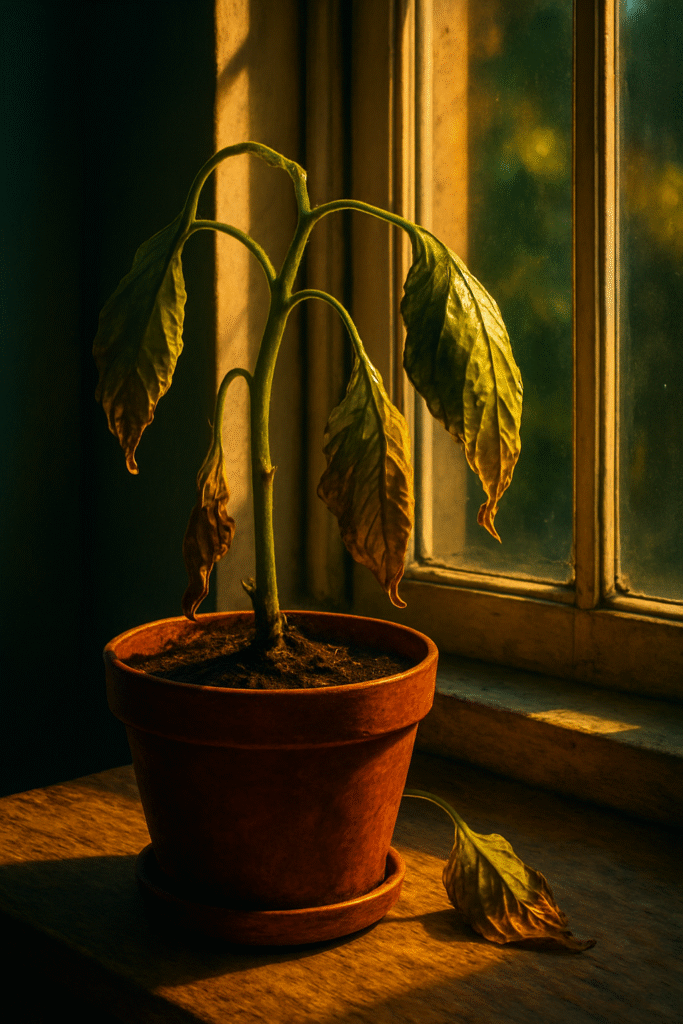
If you’ve filled your home with indoor plants (or are just starting), you probably care a lot about keeping them alive. But sometimes, despite your best intentions, certain habits might actually be stressing and slowly killing your leafy companions. Let’s talk about how our actions, even those that seem helpful, might actually be making things harder for our plants.
Sensitivity: Every Indoor Plant is Different
Different plants have different sensitivities. What works in one living room may cause disaster in another. Changes in sunlight, temperature, humidity, or even the CO₂ levels in your home can trigger different reactions. Some plants are super tough, while others like your ferns, some herbs, or tropical imports—might need you to pay closer attention to changes in their environment.
Plants and Human Intervention: The Fine Line
Plants can’t water or trim themselves, so they rely on us for care. Forgetting to water them results in wilting and drying. Neglecting to top up water in your hydroponic system does the same. Letting them grow wild without pruning can create thick undergrowth that invites disease and pests.
Despite the importance of regular plant care, a sweet spot exists as well. There’s such a thing as not all well-meaning actions are helpful. Solely looking at what a plant needs from our perspective could be wrong, after all, a plant is not like us.
We’ll discuss 4 well-intentioned but harmful actions below.
1. You Have a Fixed Watering Schedule (and Stick to It No Matter What)
A regular watering routine can help prevent neglect, especially if you’re busy or forgetful. But strictly sticking to the same schedule without checking your plants’ actual tends to lead to overwatering. Your plant’s water needs change based on the type of soil, pot size, plant size, and environmental conditions (like humidity or air-con). Watering without considering these factors will cause issues such as root rot and other diseases.
Better approach: Test the moisture of your soil with your finger or a moisture meter before watering (don’t just rely on the calendar).
2. You Pile on Different Pesticides and Insecticides
See a bug? Reach for the spray? Overusing pesticides, especially multiple different types at once, can damage plant leaves and roots, cause leaf burn, and over time, create resistant pest populations. Also, mixing different products can make them less effective or even harmful to your plant.
Better Approach: Only treat when necessary and always read supplier labels and dilution instructions carefully. Try safer alternatives first, like natural pest control or manual removal. Use products one at a time and allow sufficient time for it to take action.
3. You Follow Advice from Others Without Considering Your Own Situation
“Use this fertiliser every week!” “Repot every month!” Well-meaning friends and gardening forums offer tons of advice. But your indoor garden has its own unique mix of species, soils, systems, and conditions. Blindly following someone else’s routine may harm your specific setup. For example: Your neighbour’s fertilising plan dries out your plant’s leaves, but your environment is sunnier and your plant younger. Copying their plans without understanding could lead to fertiliser burns in your plants.
Better Approach: Take ideas from others but hone your understanding of your materials and plants. Always adjust advice for your plant’s age, size, and your home’s climate.
4. You Rush to Fix Every Small Problem
It’s natural to worry when you see yellow leaves or drooping stems. But sometimes, rushing to add more fertiliser, water, or solutions can do more harm than good. Plants are resilient, they can often recover from minor issues on their own.
Balanced response: Observe changes for a few days before interfering. Small issues often resolve with time. Only act if problems worsen or spread.
The Paradox of Plant Care
Plants can get stressed out by too much attention, and struggle without enough. While you can’t get away with ignoring them, you also shouldn’t hover anxiously over every leaf. The goal? Balanced, specific care and the patience that comes naturally as you hone your own craft as an indoor gardener.
What’s been your biggest struggle or lesson with plant care? Share your story with us, or reach out if you need help- sometimes, the best growth happens when we learn together!